Meet Ger Duany
Founder & CEO – Sudan’s lost boy front-runner
Ger Duany’s story is one of resilience, transformation, and relentless advocacy. Born in 1978 Akobo, in what is now South Sudan, Ger’s childhood was marked by war, separation, and loss. Caught up in the civil war that ravaged his country, he was forcibly recruited as a child soldier. Later, he fled and lived as a refugee in camps in Ethiopia and Kenya before being resettled in the United States at the age of 15. As a former UNHCR High-Profile (Goodwill Ambassador of peace) for the East and Horn of Africa, using his own life as a powerful bridge between the trauma of displacement and a hopeful vision for peace.
He has spoken publicly about his mission: “refugee youth don’t need pity — they need opportunity and belief.” Ger has appeared on world stages — speaking at the Social Good Summit, TEDx, the UN Commissioner’s Dialogue in Geneva, and many other high level forums. Through these platforms, he elevates the voices of displaced people and advocates for education, protection, and long-term solutions.


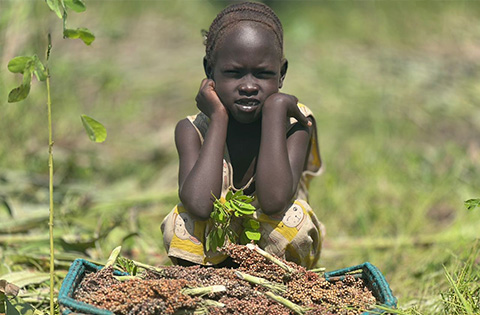
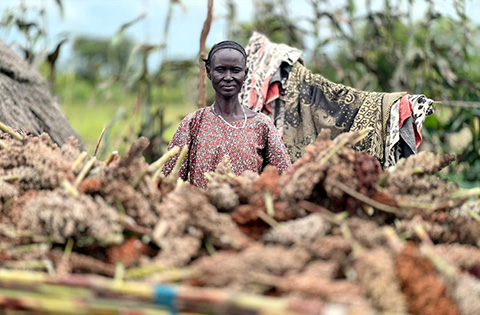

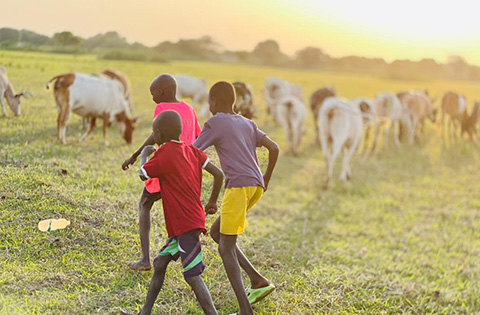
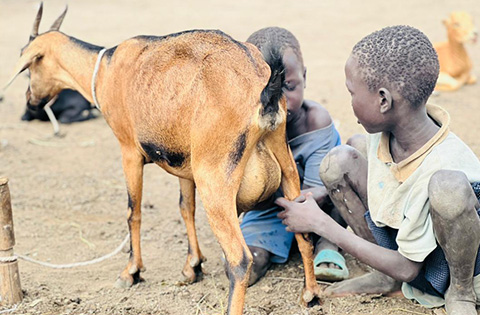
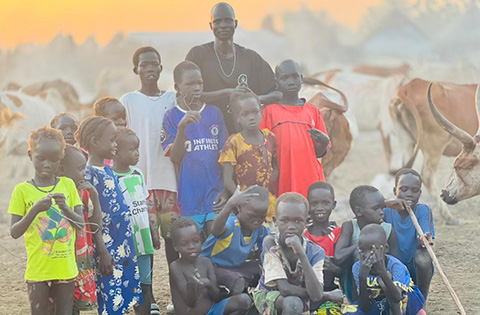
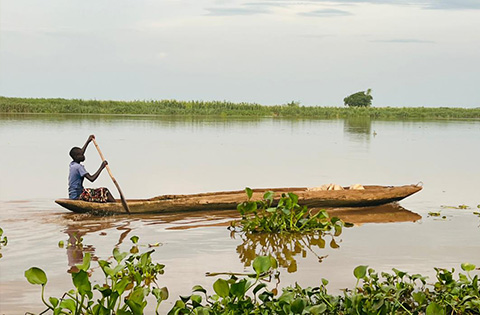

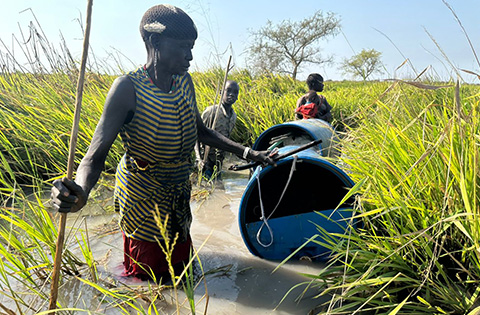
Foundation Initiatives
The Vision will be carried forward into strategic objectives to enable effective implementation through Vision Realization Programs. Explore all of our strategic objectives.
EDUCATION
Education is the cornerstone of Akobo’s future. Our goal is to ensure every child and youth has access to quality learning from primary education to vocational training. By building schools, training local teachers, and providing pathways to employment, We aim to equip a new generation with the skills and confidence to rebuild their communities.
HEALTH
A healthy society is a strong society. WTTRS is working to bring accessible healthcare to every family in Akobo by building local clinics, training community health workers, and improving maternal and child care. By improving health, we give people the strength to learn, work, and build a better future.
ECONOMIC GROWTH
Economic growth is the engine that drives sustainable development. We aim to create jobs, nurture small businesses, and build a culture of entrepreneurship in Akobo. By providing vocational training, microloans, and business mentorship. WTTRS empowers individuals to earn a living with dignity and reinvest in their communities.
INFRASTRUCTURE
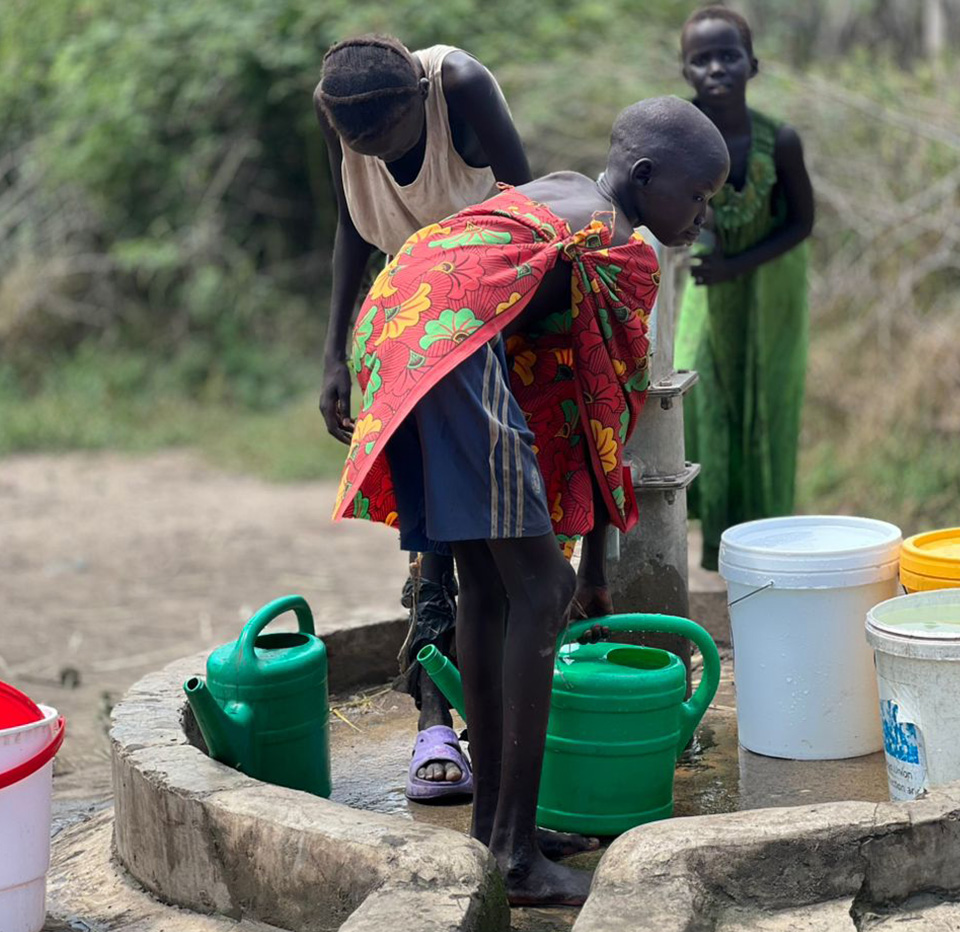
Infrastructure is the framework of development— from roads and clean water systems to renewable energy and modern housing, our goal is to transform Akobo into a functional, resilient city designed for people and built for the future.
MENTAL HEALTH
Offering mental health services and support groups that help individuals cope with challenges like trauma and self worth.
ENTREPRENEURSHIP
Supporting initiatives that promote innovation and economic growth: Including an agricultural program that empowers the community through sustainable farming, food security, and locally driven development.
Unlocking the skills, creativity, and entrepreneurial spirit of Akobo.
STRATEGIC OBJECTIVES (10-20 Years)
Unlocking the skills, creativity, and entrepreneurial spirit of Akobo.
- Generate 5,000 new livelihood opportunities by 2035 through skills training, entrepreneurship support, and agricultural innovation.
- Establish a community marketplace and entrepreneurial hub serving 10,000 people by 2030.
- Increase household income stability by 25% through diversified livelihoods and micro-enterprise support.
PHASE ONE
Economic Diagnostics, Market Mapping & Livelihoods Assessment.
Objective: Build a rigorous understanding of Akobo’s economic drivers, barriers, and market opportunities.
Donor-Impressive Checklist;
- Conduct a market ecosystem analysis—agriculture, livestock, transport, trade, youth skills, women’s enterprises.
- Assess workforce skills, vocational gaps, and training needs.
- Map supply chains and identify bottlenecks to production and trade.
- Analyze potential for green industries and circular economy models aligned with SDG 8 (Decent Work & Economic Growth) and SDG 12 (Responsible Consumption & Production).
- Evaluate environmental, social, and governance (ESG) risks related to new market activities.
- Engage stakeholders to identify priority livelihood pathways—women, youth, small traders, farmers, returnees.
- Apply CSTD procedures to ensure transparent, inclusive economic planning.
Deliverable to Donors:
- A Local Economy & Livelihood Systems Assessment with investment opportunities.
PHASE TWO
Program Design, Entrepreneurship Strategy & Financial Modeling.
Objective: Develop targeted economic programs and financing tools to catalyze local prosperity.
Donor-Impressive Checklist;
- Design a Local Enterprise Development Strategy focusing on agriculture processing, small trade, digital services, and women-led businesses.
- Develop business incubator models and vocational training curricula tied to real market needs.
- Create a micro-grant and catalytic capital framework for early-stage entrepreneurs.
- Align business development pathways with SDGs 1, 2, 5, 8, 9, and 10.
- Build private-sector partnership models (regional companies, diaspora investors, microfinance providers).
- Conduct cost-benefit modeling and risk analysis.
Deliverable to Donors:
- A Costed Economic Development Program & Investment Prospectus.
PHASE THREE
Implementation of Enterprise Programs & Market Infrastructure.
Objective: Unlock productivity, accelerate entrepreneurship, and build long-term financial resilience.
Donor-Impressive Checklist;
- Launch entrepreneurship training, youth apprenticeship programs, and women’s business accelerators.
- Provide micro-grants and starter kits for agriculture, livestock, retail, and service industries.
- Establish critical market infrastructure—storage, aggregation points, digital access hubs, cooperatives.
- Integrate financial literacy training and banking access solutions.
- Support community groups in forming savings circles and revenue-generating projects.
- Implement transparent monitoring and reporting aligned with CSTD.
Deliverable to Donors:
- Quarterly Economic Growth Implementation Dashboards showing business launches, income growth, and job creation.
PHASE FOUR
Outcome Measurement, Sustainability & Scaling.
Objective: Demonstrate tangible economic transformation and embed long-term livelihood strategies.
Donor-Impressive Checklist;
- Conduct impact evaluations measuring income growth, youth employment, women’s leadership, enterprise survival, and market resilience.
- Publish an Economic Transformation Impact Report aligned with SDG indicators.
- Scale successful enterprise models to additional communities.
- Strengthen local institutions to manage training centers, cooperatives, and small business funds.
Deliverable to Donors:
- A Five-Year Economic Growth Impact & Scalability Portfolio.
Join WTTRS in making an IMPACT in the lives of 500,000 people in Akobo, South Sudan
WTTRS is investing in the four essentials Akobo needs to thrive: Health, Education, Infrastructure, and Economic Development
Did you know?
As of late 2025, approximately 4.8 million people have been displaced from South Sudan, with nearly 2.4 million living as refugees in neighboring countries and around 2.6 million internally displaced within South Sudan. This makes it Africa’s largest refugee crisis, with 65% of the refugees being children.
Partners





